
What Is Functional Strength and Why Does It Matter?
Functional strength is the ability to move, stabilize, and support your body in ways that
translate directly to real life. Unlike traditional strength training that often isolates muscles
for aesthetic goals, functional strength focuses on how muscles work together to help you
perform everyday movements safely and efficiently.
Think about actions like bending down to pick something up, carrying groceries, reaching overhead, or maintaining good posture at your desk. Functional strength is what makes those movements feel easier, smoother, and less likely to cause pain or injury.
Why Functional Strength Is Important
Functional strength supports both longevity and quality of life. As we move through different stages of life, maintaining strength that’s practical—not just visible—becomes essential.
Key benefits include:
Better balance and coordination
Reduced risk of injury
Improved posture and joint stability
More ease in daily movements
Support for healthy aging and mobility
Functional strength also improves body awareness, helping you move with intention instead of relying on momentum or poor mechanics.
How Barre, Pilates, and Yoga Build Functional Strength
Barre, Pilates, and Yoga may look different on the surface, but they all share a common foundation: intentional movement, core engagement, and control. Together, they are powerful tools for building strength that truly supports real life.
Barre: Small Movements, Big Impact
Barre focuses on isometric holds, small pulses, and high repetitions that fatigue muscles deeply. While the movements are subtle, they’re highly functional.
Barre helps build functional strength by:
Strengthening stabilizing muscles, especially in the hips and legs
Improving posture and alignment
Enhancing muscular endurance
Supporting balance and joint control
Because barre emphasizes precision and form, it trains the body to move efficiently and safely.
Pilates: Core-Centered Strength
Pilates is deeply rooted in functional movement. Nearly every exercise begins with core engagement, teaching the body how to move from a place of stability.
Pilates builds functional strength by:
Strengthening the deep core muscles that support the spine
Improving coordination between breath and movement
Increasing joint mobility while maintaining control
Supporting proper movement patterns used in daily life
This core-first approach makes Pilates especially effective for injury prevention and rehabilitation.
Yoga: Strength Through Stability and Awareness
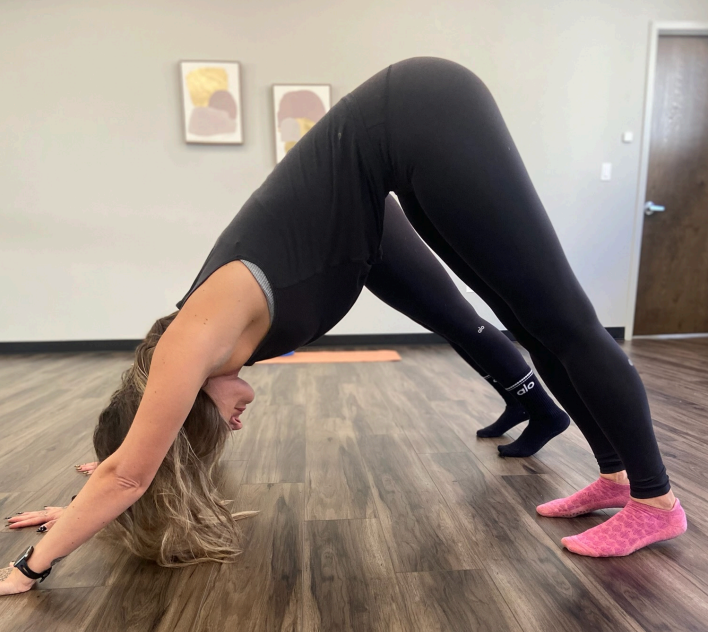
Yoga builds functional strength by asking the body to support itself through space, often using body weight and balance-based poses.
Yoga supports functional strength by:
Building full-body strength through weight-bearing poses
Improving balance and proprioception
Enhancing mobility alongside strength
Encouraging mindful movement and body awareness
Yoga also teaches you how to breathe through challenge, which plays a major role in how you handle physical and mental stress in real life.
Why These Practices Work So Well Together
Barre, Pilates, and Yoga don’t just strengthen muscles—they train the nervous system, improve coordination, and reinforce healthy movement patterns. This combination helps you move better, feel stronger, and stay more resilient over time.
Rather than training your body only for the gym, these practices prepare you for life.
Functional strength is about feeling capable in your body, not just during a workout, but throughout your day. Barre, Pilates, and Yoga offer sustainable, low-impact ways to build strength that supports movement, reduces injury risk, and enhances overall well-being.