
Strength, Stamina, Stability & Stretch: The Four S’s of Pilates
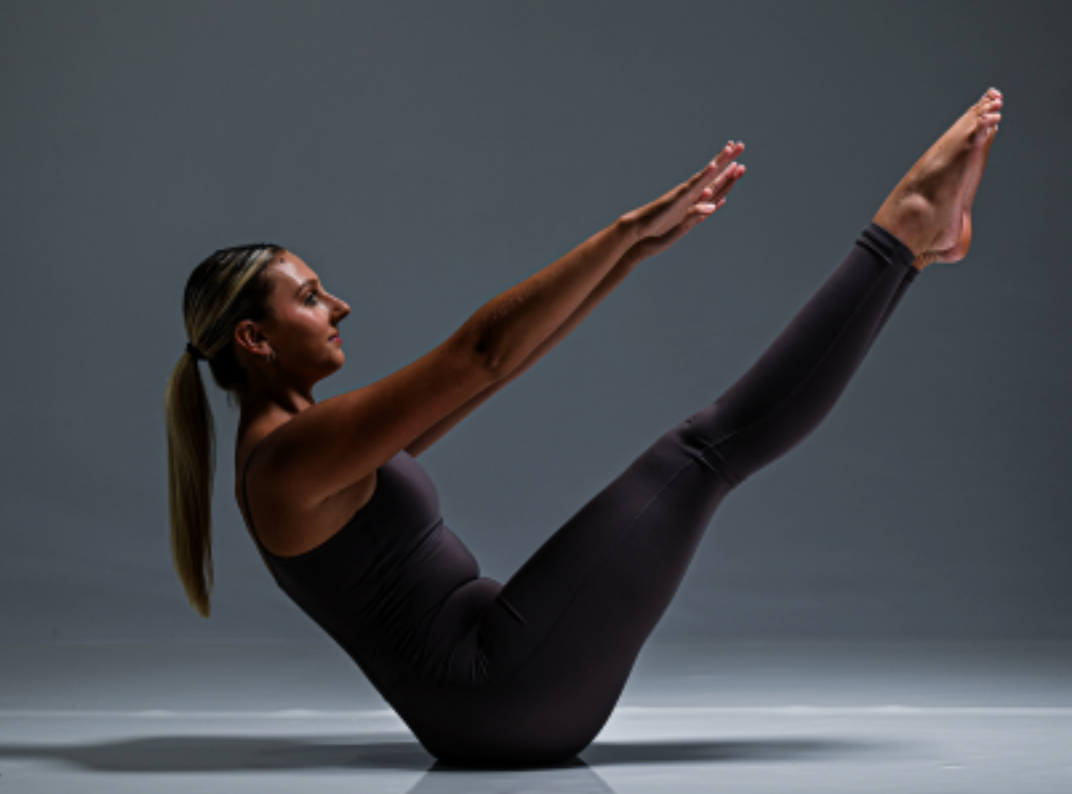
Pilates is a functional form of fitness designed to enhance mobility, balance, and efficiency of movement. At its core, Pilates integrates and works what we call the Four S’s: Strength, Stamina, Stability, and Stretch. Inadvertently, every Pilates exercise incorporates these.
Let’s dive deeper into how each of the Four S’s shows up in Pilates—and why all four are essential for a balanced body.
Strength
Strength in Pilates can look very different depending on the individual body. It may focus on:
core strength,
upper or lower body,
or addressing imbalances from one side of the body to the other.
Classical strength-building exercises include:
The Series of Five on the mat,
Arm Springs and Leg Springs on the Tower
Unlike traditional weightlifting, Pilates uses spring resistance to build long, lean muscle in a lower-impact, joint-friendly way—supporting strength without bulk.
Stamina
Stamina refers to the ability to sustain strength and breath over time.
For example, beginners often learn the Series of Five as individual exercises with short breaks in between. As strength and coordination improve, the body becomes capable of performing the entire series without stopping.
Another great example of stamina training is the jump board on the Reformer, where the body works continuously for longer intervals, demanding endurance, breath control, and consistent core engagement.
Stability
Stability is our ability to maintain a strong, controlled center, often referred to as the powerhouse, including the pelvis—while the limbs move away from it.
As the arms and legs travel farther from the center, maintaining control becomes more challenging.
An example of stability-focused exercise:
The Hundred, where the center (including the head and torso) must remain stable as the arms pump and the legs extend long.
Stability is key for balance, injury prevention, and efficient movement both in and out of the studio.
Stretch
Stretch is often the most overlooked component of fitness. It used to be the last 10 minutes of every workout were dedicated to stretching, but now it’s often skipped because we “don’t have time.”
Pilates treats stretch as an active, integrated process, not a passive afterthought. Many exercises create a two-way stretch, where:
the body works from a stable center,
while the limbs move outward to create length and space.
Some classic stretching tools include:
Ballet stretches on the Barre
Push Through Bar work on the Tower
and the full repertoire of Mat exercises.
These movements enhance range of motion while leaving the body feeling open, aligned, and energized.
Applying the Four S’s to Real Bodies
Runners, for example, often have strong lower bodies but limited flexibility in the hamstrings, calves, and hips—along with underdeveloped upper body strength. In these cases, may focus on:
ballet stretches to open the hips,
arm springs (lying or standing) to build upper body strength and stability.
People with knee or hip replacements may experience pelvic imbalances and reduced stamina during recovery. Using Leg Springs on the Tower helps restore symmetry, improve endurance through repetition, and re-establish pelvic stability. Progressing to side-leg spring work further enhances balance and control.
Remember, all of us need all 4 to create a balanced and healthy body.